
Oct 16, 2026
CHINACOAT 2026 - IRON OXIDE - SHENHONG
Date: November 11‑13, 2026; Venue: Guangzhou, China; Hall: 6.1; Booth No.: 6.1 H25
Date: November 11‑13, 2026; Venue: Guangzhou, China; Hall: 6.1; Booth No.: 6.1 H25
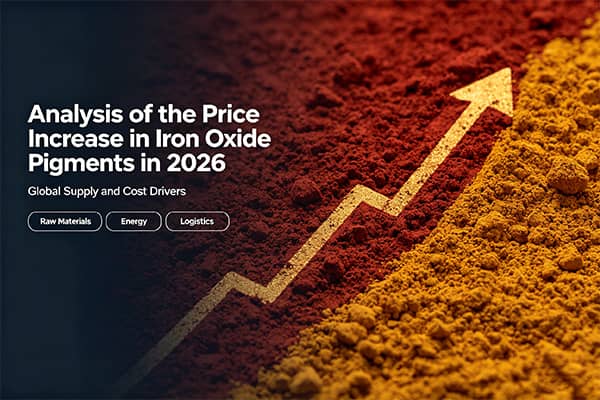
This is the result of a multi-factor resonance involving upstream raw material cost surges, supply contraction, rigid demand growth, energy and logistics inflation, global carbon taxation in trade, and rising industry concentration.
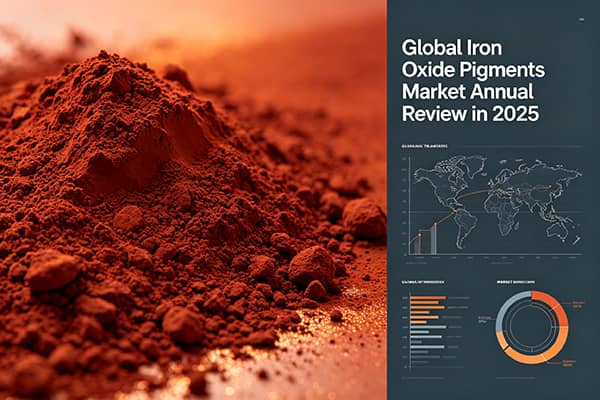
Core Global Market Size; Regional Market Landscape (Revenue Share 2025); Downstream Demand Structure & Divergence; Key Industry Trends (2025); Key Market Challenges
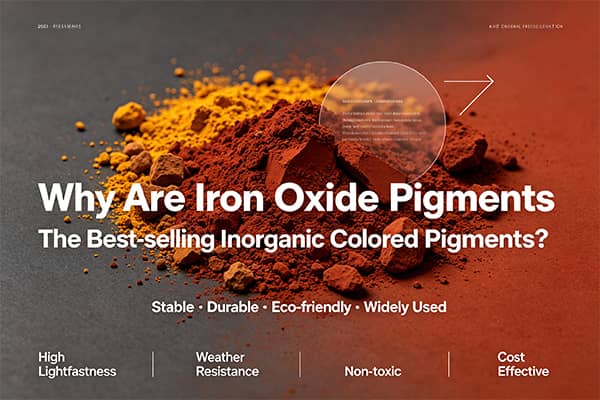
Iron oxide pigments—such as Iron(III) oxide—are the most widely used inorganic color pigments because they combine low cost, high durability, safety, and broad industrial applicability.

Iron oxide pigments are the most widely used colorants for colored cement, concrete, and masonry products because they are stable, UV-resistant, and compatible with highly alkaline cement environments.
The company aims to further leverage its production scale and technical expertise to reinforce its role as a trusted global iron oxide pigment supplier.

In footwear, Iron oxide pigments are commonly used to color both outsoles (rubber) and midsoles (foam rubbers or thermoplastics)—especially when brands want earthy tones, neutrals, or long-lasting colors that won’t fade outdoors.
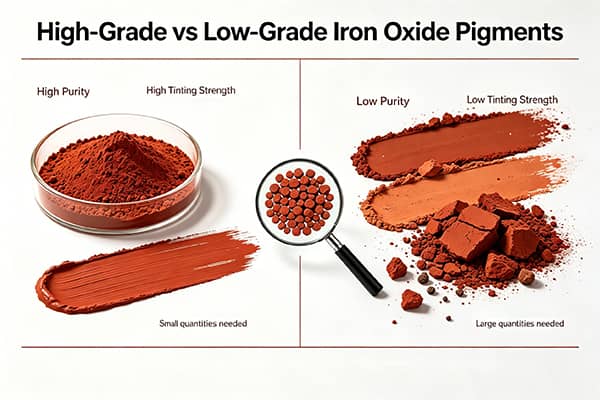
High-grade pigments deliver consistent performance and lower long-term costs, while low-grade materials often introduce hidden risks throughout production and end use.

In modern materials science, iron oxide pigments are increasingly treated as functional iron-oxide materials used in both new energy systems and magnetic technologies.
Shanghai Shenhong Pigment Co., Ltd. presented its eco-friendly and high-stability iron oxide pigment product series.
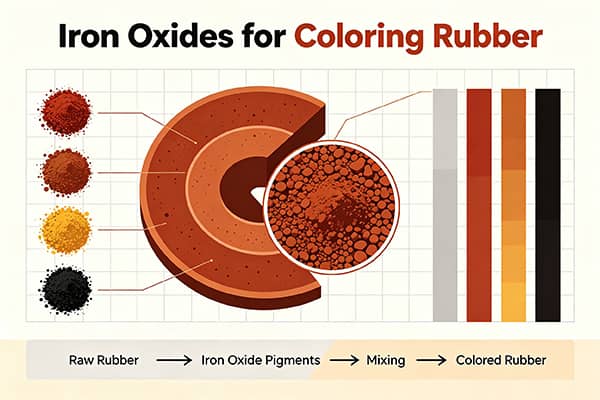
Iron oxides are widely used inorganic pigments for coloring rubber because they’re inexpensive, stable at high temperatures, UV-resistant, and chemically inert in most elastomer systems.

Iron oxides are one of the most common and reliable pigment families used for coloring terrazzo because they’re stable, UV-resistant, and compatible with both cementitious and resin terrazzo systems.
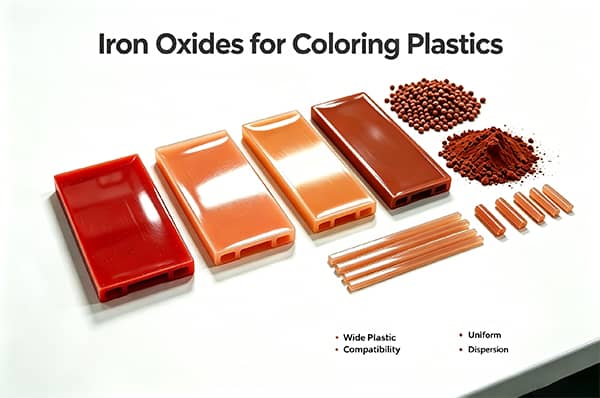
Iron oxides are among the most widely used inorganic pigments for coloring plastics because they’re stable, inexpensive, non-toxic, and resistant to heat and UV exposure.
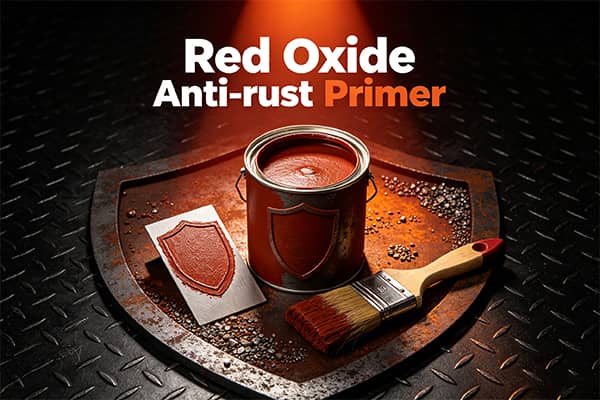
Iron oxide itself is not a chemical rust inhibitor—it is mainly a physical barrier pigment.
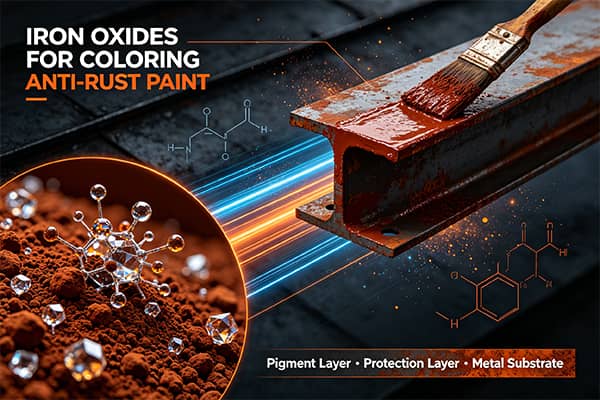
Iron oxides in anti-rust paints are not just decorative pigments—they are functional additives that strengthen the coating’s barrier properties, improve durability, and help extend the lifespan of metal structures exposed to moisture and oxygen.

In permeable concrete, iron oxides are used almost entirely as inorganic pigments to control color while maintaining UV and weather stability.

Iron oxides are widely used in fertilizer manufacturing both as functional additives and as pigments, especially when producing colored or coated fertilizers. They are not just decorative—they can also improve product handling, branding, and sometimes stability.
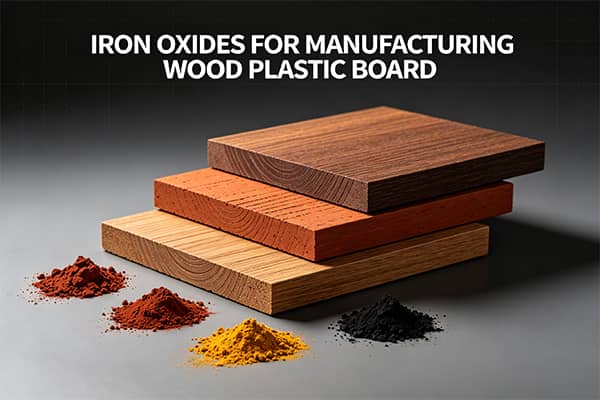
Iron oxides are widely used pigments in wood plastic composites (WPC)—including wood plastic boards, decking, cladding, and profiles—because they are thermally stable, UV-resistant, and compatible with extrusion and injection molding conditions.

Iron oxides are the most widely used inorganic pigments for producing colored asphalt (colored bituminous mixtures) because they are stable, UV-resistant, and compatible with hot-mix processing.
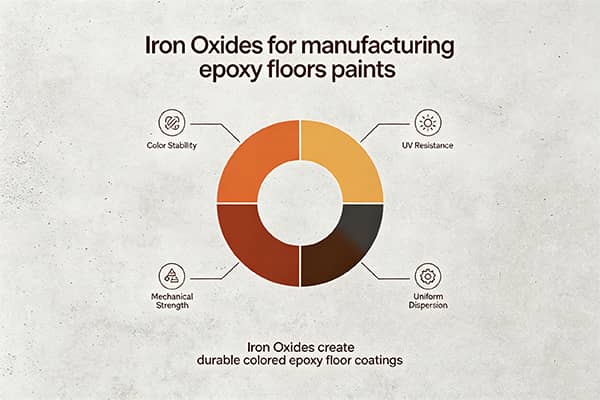
In epoxy systems, Iron oxide pigment simply disperses in the resin and provides long-term color stability without fading.
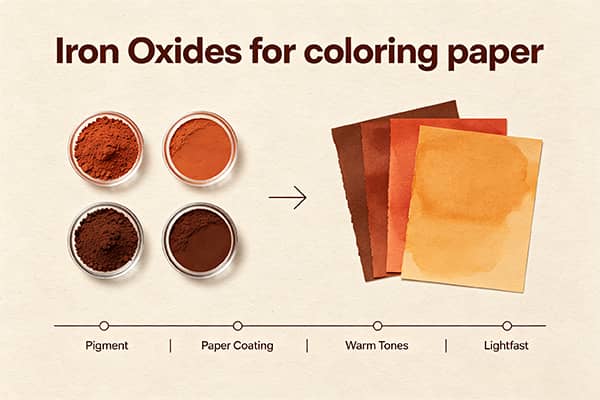
In the paper industry they’re valued for being inexpensive, lightfast, non-fading, and chemically stable.

Iron oxide pigments are among the most widely used colorants for cement-based materials such as concrete, paving blocks, roof tiles, bricks, and precast elements.
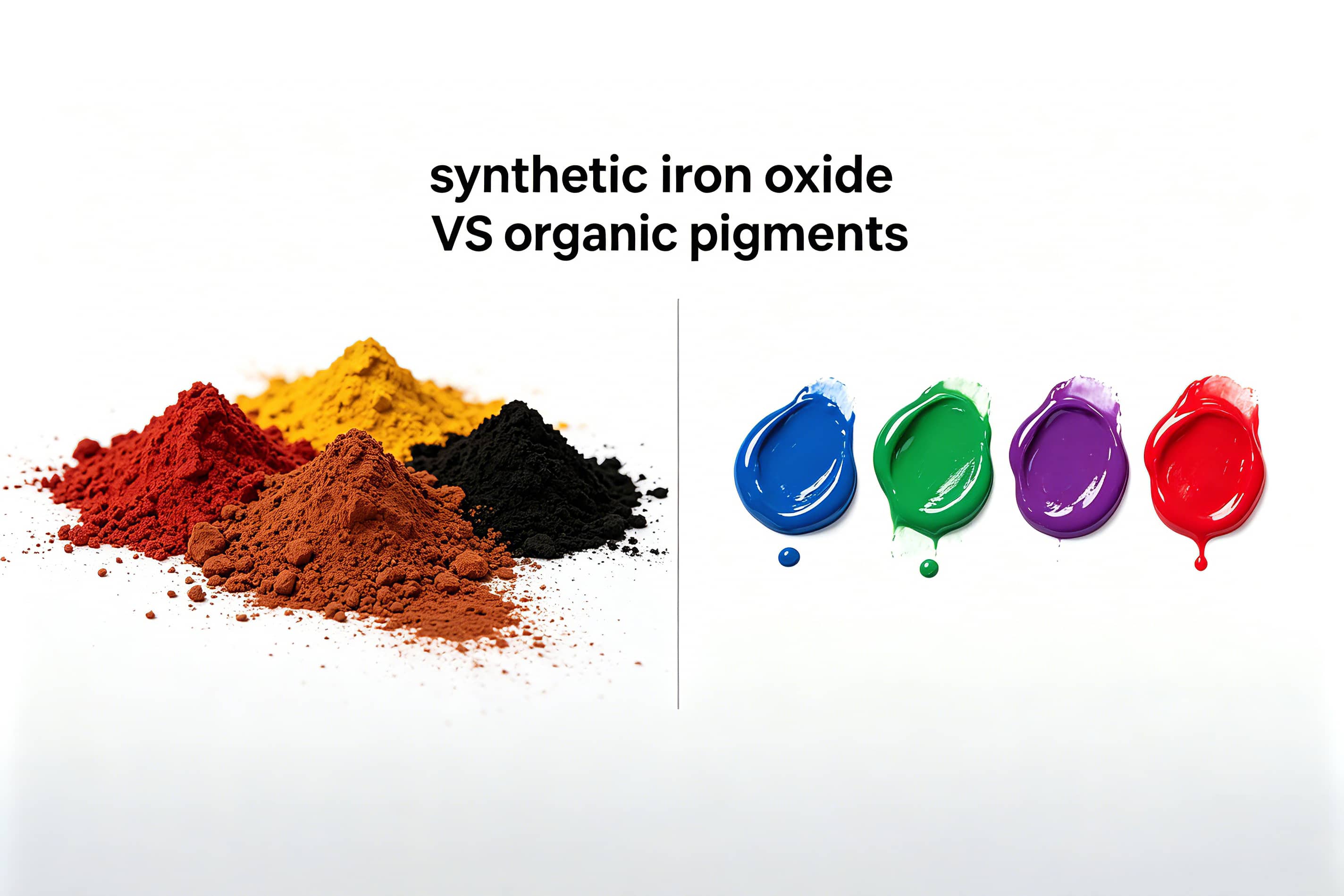
Synthetic iron oxide pigments win when the requirements are durability, stability, safety, and cost-efficiency over decades of service life—which is why they are the backbone of construction and infrastructure coloration worldwide.
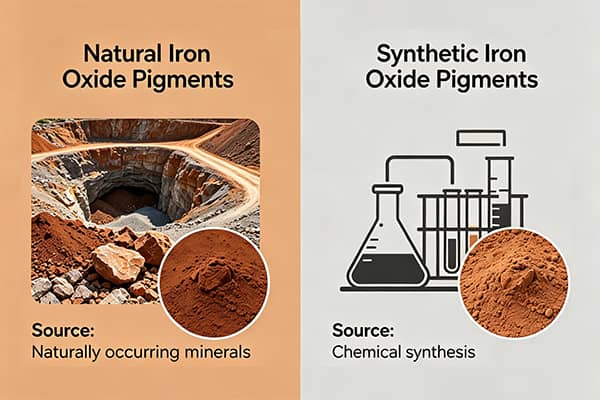
Synthetic iron oxides enable manufacturers to achieve consistent, durable, and high-performance coloration across a wide range of demanding applications.